
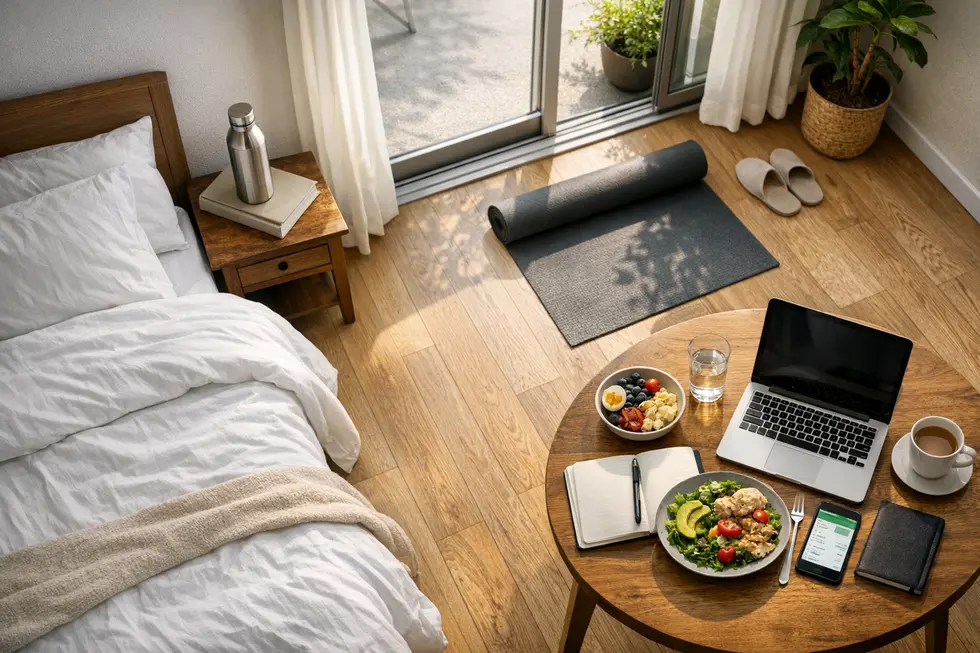

Lifestyle optimisers don’t want more stuff or more rules—they want fewer, better things that quietly do the heavy lifting every day. The goal isn’t a perfect routine that collapses the moment life gets messy; it’s a lightweight system of essentials you’ll actually lean on when you’re tired, travelling, or double-booked.
This guide zooms in on the foundations that move the needle: daily basics like water, sleep, movement, whole foods, and sunlight; simple nutrition habits and physical tools that reduce friction; and mental health and financial organisers that keep your head clear and your life admin under control. Each chapter connects back to a single question: how do you design a day that runs smoothly on “default,” even when your willpower is gone?
Five Daily Non-Negotiables: Simple Essentials That Power Your Everyday

Every day is built from small, repeatable choices. Focus on five non-negotiables—nutrition, movement, sleep, light exposure, and micro-rituals—to create a resilient daily baseline that reduces decision fatigue and raises energy. Start with food: build meals around colorful plants, whole grains, healthy fats, and protein. Aim for several vegetable servings and a protein-led breakfast to stabilize blood sugar and attention. Batch-cook staples like roasted vegetables, grains, and legumes once a week so healthy meals are the effortless default.
Movement needn’t be complicated. Short walks, brief mobility sessions, and standing breaks between tasks add up. Walking in daylight not only moves your body but helps anchor circadian rhythm. Pair movement with small rewards—a playlist, a scenic route, or a mindful breath—to make it stick.
Sleep and recovery act as the invisible infrastructure of daily performance. Aim for a consistent sleep window and finish eating a few hours before bed to support repair cycles. Small, consistent sleep rituals—dim lights, device cutoffs, light stretching—create predictable signals for the brain.
Morning natural light is a surprisingly high-impact habit. Stepping outside soon after waking helps set hormonal timing for energy and digestion. Even a brief five-minute exposure changes how the rest of your day feels. Layer this with simple hydration and a moment of intention to kickstart mood and focus.
Micro-rituals anchor unpredictability. A short journaling habit, a deliberate coffee pause in sunlight, or a two-minute breathing practice around midday resets stress and sharpens decisions. Keep rituals tiny so they survive busy days.
Personalize by tracking small wins for 30 days. Add a vegetable to each meal the first two weeks, then trial a 12-hour eating window. Store a handful of pantry essentials and a frozen bag of vegetables to remove friction. For routines that intersect with work, see guidance on navigating professional rhythms to align habits with your schedule: navigating success in the modern workplace.
For a practical list of daily habit ideas and timing tips, see this compact resource: https://wellnessmama.com/health/daily-habits/
Fueling Days, Reducing Friction: Practical Nutrition and Tools for Everyday Optimization

Nutrition and tools are the twin engines of a simplified, high-impact routine. Focus on whole foods that sustain energy and recovery: vegetables, fruits, high-fiber grains, lean proteins, and healthy fats. Aim for steady meals that include protein early in the day to stabilize blood sugar and reduce mid-afternoon dips. Swap sugary drinks for water, scan labels to avoid hidden sugars, and favor minimally processed snacks. These small choices compound. Over weeks they improve mood, sleep quality, and metabolic health.
Pair eating habits with simple habit tools that lower resistance. Use smaller plates to naturally control portions. Pack meals in reusable containers so choices default toward whole food. Keep a short food journal or quick meal note to reveal patterns and triggers. If you want precision, introduce wearables and tracking apps selectively. A tracker for activity and sleep, and occasional glucose or recovery data, helps refine choices without turning life into an experiment.
Support structure with affordable supports: a basic set of portion containers, a label-reading guide, and a compact kit for meal prep. Seek professional input when necessary—dietitians or credible apps can translate data into practical steps. For many, the most sustainable changes are simple rules: prioritize whole meals, limit added sugars, and move daily.
Mental friction falls when you design defaults. Schedule weekly prep, set a one-minute pre-meal pause to eat mindfully, and automate grocery lists. Combine these with one or two monitoring tools, such as a reliable scale or blood pressure cuff, to track progress. These measures keep health visible and manageable.
Small, consistent shifts in food and tools deliver outsized returns. They protect energy, sharpen focus, and reduce decision fatigue. For practical guidance on integrating emerging nutrition and tech trends, see this overview on precision nutrition and wearables: https://khni.kerry.com/trends-and-insights/key-health-and-nutrition-trends/
Explore how practical systems help you achieve goals in our post on “Fueling Ambition and Achieving Goals” for more operational tips.
Calm Accounts, Clear Minds: Organising Money and Mood as Everyday Essentials

Everyday essentials should simplify choices, not add work. Treat simple financial tools and brief mental-health rituals as paired systems that reduce stress and create space for better living. A basic budget tracker or spreadsheet, a weekly spending list and a clear counter become more than chores. They act as signals that prompt calmer decisions. Automate transfers to a savings bucket and log recurring costs once. The routine payoff is lower anxiety and fewer late fees, which helps sleep and focus.
Pair those habits with short, consistent self-care. A five-minute breathing break after checking balances resets perspective. Daily movement, whether a short walk or light stretches, shifts stress hormones and improves financial decision-making clarity. Keep pantry staples that support affordable meals: whole grains, beans, frozen vegetables and nuts. Cooking at home stretches money and soothes the mind through a small creative act.
A simple weekly ritual ties the systems together. Spend thirty minutes on Sunday reviewing finances, clearing surfaces and planning meals. Use a planner or app to set micro-goals, such as trimming one subscription or packing lunch three times a week. Treat these tasks as maintenance, not emergencies. Limit shopping exposure by turning off nonessential notifications and by sharing spending boundaries with household members.
Tools should lower friction. A journal beside your bed captures money worries before sleep. Walking shoes by the door make movement default. Label drawers and counters to reduce decision fatigue. When money worries persist despite these steps, seek guidance from a trusted counselor or community resource.
These essentials convert small daily acts into compound benefits. Organization reduces cognitive load. Rituals rebuild resilience. Movement and nutrition stabilize mood. Over time, small predictable routines create both a sturdier balance sheet and steadier emotions. For practical tips on building workplace and life systems that support these habits, see our piece on navigating success in the modern workplace.
https://mentalhealthfirstaid.org/news/how-and-why-to-practice-self-care/
Final thoughts
Everyday essentials for lifestyle optimisers aren’t about owning the perfect bottle, app, or journal. They’re about designing a default day where the basics—water, sleep, movement, sunlight, simple whole food, a few smart tools, lightweight mental health rituals, and streamlined money systems—happen almost automatically.
The most powerful version of this guide is the one you actually live. Choose one or two non-negotiables, one nutrition or tool upgrade, and one mental or financial organiser. Put them where you can’t miss them, link them to something you already do, and give them a week to settle in. Your life won’t suddenly look more “aesthetic,” but it will feel calmer, clearer, and easier to run—and that’s what a truly optimised lifestyle is built on.
Start Your Next Adventure – Subscribe Now for Insider Travel Tips, Hidden Gems, and Exclusive Guides!
About us
Welcome to our travel blog! We’re passionate explorers who love discovering new places, cultures, and experiences around the world. This blog is our way of sharing those adventures with you. Whether you’re looking for travel tips, destination guides, or just a bit of wanderlust inspiration, you’ve come to the right place. Join us as we explore the globe, one journey at a time.