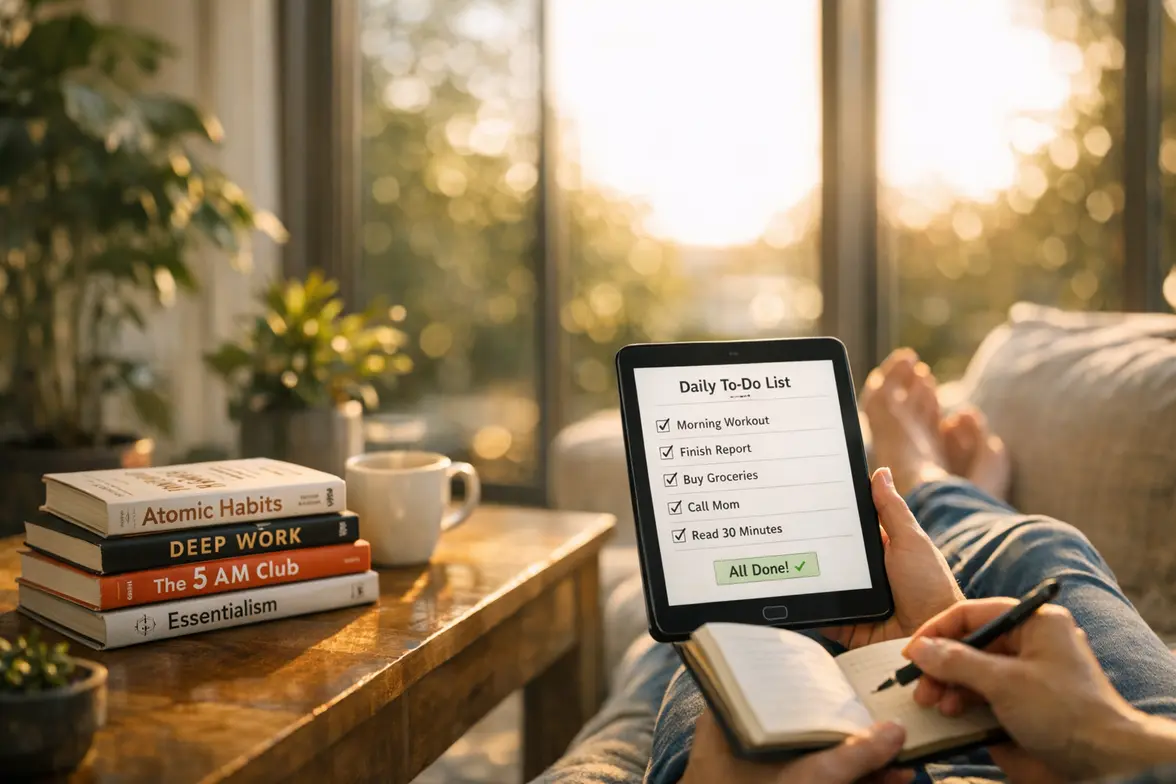

Simple personal productivity systems that actually work are the quiet power tools of lifestyle optimisers: low friction, high leverage, and easy to keep running even on messy days. Instead of complex apps and rigid routines, these systems lean on minimal rules, smart technology, and behavioral science so you can move more of the right projects forward while feeling calmer, not busier. In this article, we will look at the digital foundations that keep everything organised, the habit mechanics that make consistency feel almost automatic, and the wider impact these choices have on your work, finances, and even the people around you.
Digital Foundations: Simple Tools and Smart Tech for Sustainable Personal Productivity
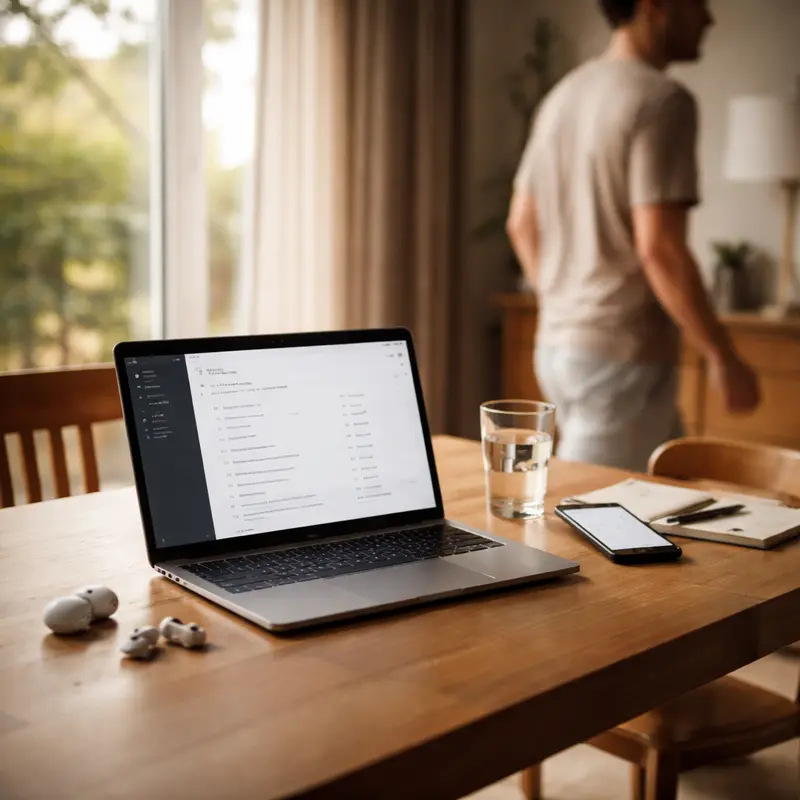
Technology should simplify, not complicate, a personal productivity system. When chosen with restraint, digital tools amplify focus, cut friction, and make small routines reliable. The practical rule is minimalism: one reliable capture point, one place for scheduling, and one lightweight habit for review. Use automation to remove repetitive work, not to add procedural overhead.
Capture tools must allow fast entry and dependable sync. A short note app or a single task inbox prevents scattered lists and context switching. Calendars that surface only today’s commitments reduce decision fatigue. Timers and focus apps make techniques like Pomodoro operational by enforcing short, repeatable work blocks. Integrations matter: simple automations that move items between apps stop you from duplicating effort and preserve flow.
Mind the time-cost of setup. A system that needs ten minutes to configure and five minutes daily beats one that demands hours of management. Prioritize tools with clear defaults and easy reversal. Use reminders, widgets, and recurring tasks as low-friction habit cues. Sparing gamification—streaks, micro-rewards—can boost engagement without turning work into a game.
Consider portability and privacy. Favor tools that export your data and keep personal information under your control. Plain-text backups and simple CSV exports make transitions painless. This resilience ensures your simple system survives app changes, team shifts, or working environment changes.
Start with three small choices: a single capture method, a two-minute rule for trivial tasks, and a single focus timer. Automate one routine transfer, such as moving email tasks to your inbox. Review weekly and prune tools that add noise. For a practical primer on matching systems to your life, see Simple Personal Productivity Systems That Actually Work (the link offers foundational principles and starter setups).
When tech is pared back to a few reliable habits and connectors, it becomes an enabler. The right digital foundation keeps small wins consistent and frees attention for meaningful work.
Habit Architecture: How Behavioral Science Makes Simple Productivity Systems Stick
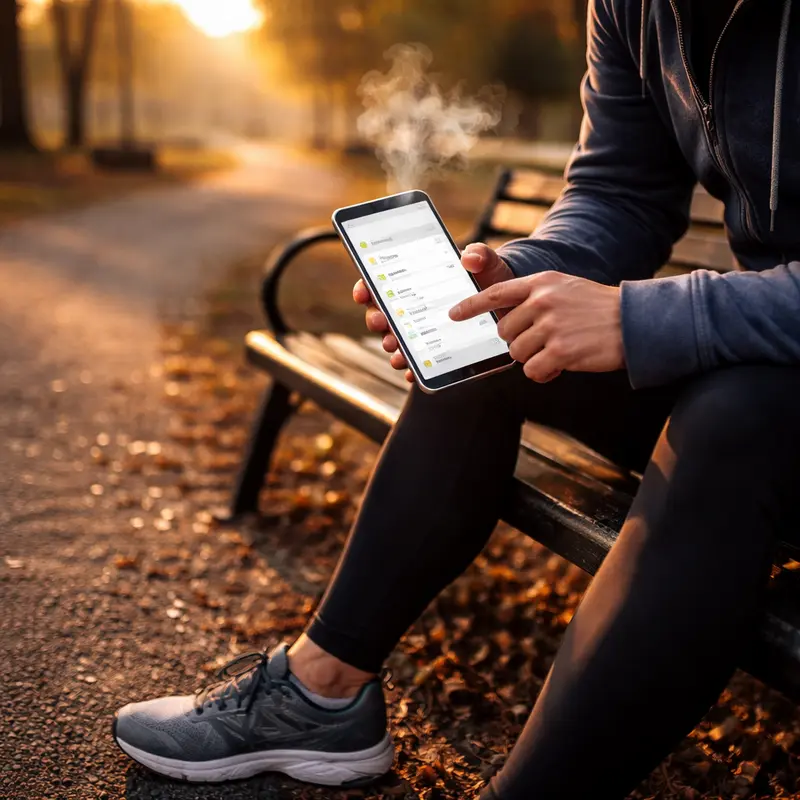
Simple productivity systems succeed when they align with how people actually form habits. Behavioral science shows that small changes in context and reward structure produce outsized shifts in behavior. At the center of effective systems is the habit loop: a clear cue, a tiny routine, and an immediate, tangible reward. When systems reduce friction at each step, repetition becomes automatic.
Designing for cues means shaping the environment. Visual signals, consistent times, and single-purpose spaces trigger actions without extra willpower. Habit-stacking links a new action to an existing routine, shrinking the barrier to start. The Two-Minute Rule and similar tactics exploit this principle: make the first step tiny, then let momentum complete the task.
Rewards must be quick and meaningful. Intrinsic payoffs — a sense of progress, reduced anxiety, or visible checked-off items — work best. Gamification adds external reinforcement through points or streaks. Both forms strengthen the cue-routine connection. Systems like Pomodoro use short cycles to deliver frequent rewards and reset focus before fatigue sets in.
Simplicity matters for maintenance. Complex rules increase cognitive load and erode adherence. The Ivy Lee Method proves that a single daily prioritization habit gives better outcomes than elaborate planning. Low setup cost and minimal choices keep the system resilient on busy days.
Regular review closes the loop. Weekly reflection clarifies what to keep, tweak, or drop. Reviews also convert sporadic wins into identity shifts — from someone who plans to someone who finishes. Over time, these small identity nudges produce measurable gains in completion rates and lower stress.
Practical next steps: choose one tiny cue, define a single two-minute starter action, and attach a quick reward. Repeat daily and review weekly. For a concise guide that ties these ideas together with practical systems, see the Essential Edit’s overview of simple personal productivity systems that actually work: http://theessentialedit.co/simple-personal-productivity-systems-that-actually-work/.
Work, Wallet, and Community: How Simple Productivity Systems Deliver Real Impact

Simple personal productivity systems do more than help one person finish a to‑do list. They scale outward, changing how teams operate, how organisations value time, and how communities experience work-life balance. At the workplace level, predictable, low-friction practices—like the Pomodoro Technique or the Ivy Lee Method—reduce context switching and clarify priorities. That clarity raises throughput and lowers unnoticed costs: fewer missed deadlines, less rework, and fewer meetings that exist only to resolve confusion. The result is measurable gains in team reliability and morale.
Economically, the appeal is simple: time saved is money saved. When individuals adopt minimal systems, small hourly gains compound across weeks and teams. Research synthesis consistently shows simple methods can lift task completion by roughly 25–50% while cutting subjective stress. Those improvements translate into higher output per labour hour and a better return on human capital. Companies that encourage lightweight systems also spend less on training and complex project tooling, freeing budget for impact-driven investments.
Societally, the ripple effects are subtle but real. Lower stress and clearer boundaries improve mental health at scale. As more people bottle small wins into daily routines, cultural expectations shift: productivity becomes sustainable instead of punishing. Habit-stacking and modest gamification increase engagement, making it easier for communities to adopt healthier work rhythms. When individuals use minimal systems consistently, they influence peers and reshape group norms toward manageable workflows.
The most powerful benefit lies in accessibility. These systems require little setup, so adoption barriers are low. That accessibility makes them effective levers for organisations seeking broad improvements without heavy investment. For practical steps to turn individual improvements into smoother team workflows, see the guide on improving daily flow and productivity: http://theessentialedit.co/improve-daily-flow-productivity/ Ultimately, simple systems amplify human attention. They reclaim time, reduce friction, and let value travel from single desks to whole communities.
Final thoughts
Lifestyle optimisation is not about squeezing more tasks into every hour; it is about designing simple personal productivity systems that actually work in the background while you focus on what matters. A lean tech stack keeps your attention on the next actionable move instead of the tool itself. Habit design and behavioral science make consistency less about willpower and more about environment, emotion, and small wins that stack. Scaled up, these choices change how teams collaborate, how calmly projects move, and how much value you create per unit of energy and time.
If you want a next step, choose one tiny system to install this week: maybe an end-of-day shutdown checklist, a single-focus daily highlight, or a basic time block for your most important work. Run it for two weeks, review the results, and only then consider adding another layer. Over time, these light-touch systems compound, giving you a life where your days feel intentional, spacious, and unmistakably productive.