
Lifestyle optimisation isn’t about squeezing more into your day; it’s about choosing the few essentials that reliably move the needle for your focus, energy, and mood.
The real challenge isn’t knowing what’s good for you—you already know meditation is helpful, that you should move more, and that vegetables matter. The challenge is building a set of everyday essentials you’ll actually use when you’re tired, distracted, or busy.
This guide aligns three core levers into one practical daily system: simple mindfulness practices that anchor your mind, movement built into the way you already live, and nutritional patterns that support clarity and stamina instead of draining them. Each chapter focuses on one lever while constantly looping back to the bigger picture: a lifestyle that runs on intention instead of autopilot.
Quiet Focus: Mindfulness Habits That Clear Your Day and Fuel Productivity

Mindfulness is the day-to-day toolkit that sharpens attention, pauses autopilot, and supports steady energy. Short, simple practices—five to twenty minutes—train your mind to return to the present. Start with breath awareness or a brief body scan to anchor attention. These exercises reduce mind-wandering and make decisions clearer, because a practiced mind notices distraction sooner and chooses differently.
When you treat mindfulness as a habit, it changes how routines unfold. Notice common habit loops: a trigger, an action, and a reward. Stress becomes the trigger, snacking the action, relief the reward. By pausing and observing that urge without acting, you weaken the automatic pathway. Techniques like the “noting” method—labeling a thought as thinking—or keeping a mental “parking lot” for stray ideas help you return to tasks without judgment. Pair a short meditation with a stable cue: morning coffee, the end of lunch, or the first break at work. Consistency matters more than length; small daily investments compound into steadier focus and less reactivity.
Mindfulness also anchors self-care. Regular quiet moments lower baseline anxiety and restore perspective during busy stretches. Use compassionate reflection—three things you’re grateful for or a gentle breath practice—to reset. Place sessions in predictable spots in your day so they become part of your lifestyle, not chores. Over time, this steady attention fosters emotional balance, enabling better sleep, clearer priorities, and more sustainable habit change.
Common barriers are solvable. If time feels scarce, shorten sessions to two minutes. If silence is uncomfortable, try guided breath counts or a walking practice. The aim is not perfection but reliable repetition. As attention improves, productivity follows: fewer distractions, quicker task transitions, and decisions that align with long-term goals.
For a deeper exploration of how mindfulness reshapes habitual behaviour, see this practical guide on changing habits with awareness: https://www.mindful.org/how-to-change-your-habits-with-mindfulness/. For a broader lifestyle framework, consult this Everyday Essentials guide: Everyday Essentials: Lifestyle Optimiser’s Guide.
Move Smarter Every Day: Practical Movement Habits for Lifestyle Optimisers

Integrating movement into daily life is one of the highest-return habits a lifestyle optimiser can adopt. Australia’s adult guidelines recommend 150–300 minutes weekly of moderate activity, or 75–150 minutes of vigorous activity, plus muscle-strengthening on at least two days. These targets protect bones, improve metabolism, stabilise blood sugar and lower injury risk. Treat them as practical thresholds, not barriers.
Start by embracing the simple principle: move more, sit less. Short, purposeful bursts of activity—”movement snacks”—are highly effective. Ten-minute walks sprinkled through the day can add up and build momentum. Aim for three to five cardio sessions weekly: brisk walking, cycling, swimming, dancing or social sport. Complement these with accessible strength work twice a week. Bodyweight moves like squats, lunges and push-ups, resistance bands, or everyday loads such as groceries and gardening count.
Design habits that nest movement into existing routines. Break long sitting periods with standing pauses and short walks. Choose stairs over elevators and park farther from entrances. Turn household tasks into cardio by increasing pace or adding deliberate steps. Convert meetings into walking conversations when possible. Pair movement with reliable anchors like morning routines or post-lunch walks to make it automatic.
For beginners, scale gently. Start with micro-goals and increase volume or intensity as confidence grows. Treat exercise as a scalable biohack: small consistent gains compound into durable fitness, better sleep and higher daytime focus. Track simple metrics—minutes moved, strength sessions completed—and celebrate steady progress rather than perfection.
Movement should support the broader optimisation playbook: better sleep, nutrient-rich mornings and intentional mental practices. When movement is woven into daily life, energy rises, clarity follows and other healthy choices become easier. For a broader view of everyday optimisation that connects to movement, see Everyday Essentials: Lifestyle Optimisers Guide.
External resource: https://nextclinic.com.au/blog/7-ways-to-optimise-your-daily-health-routine
Nutrition That Powers Everyday Optimisation: Practical Dietary Patterns for Lifestyle Optimisers
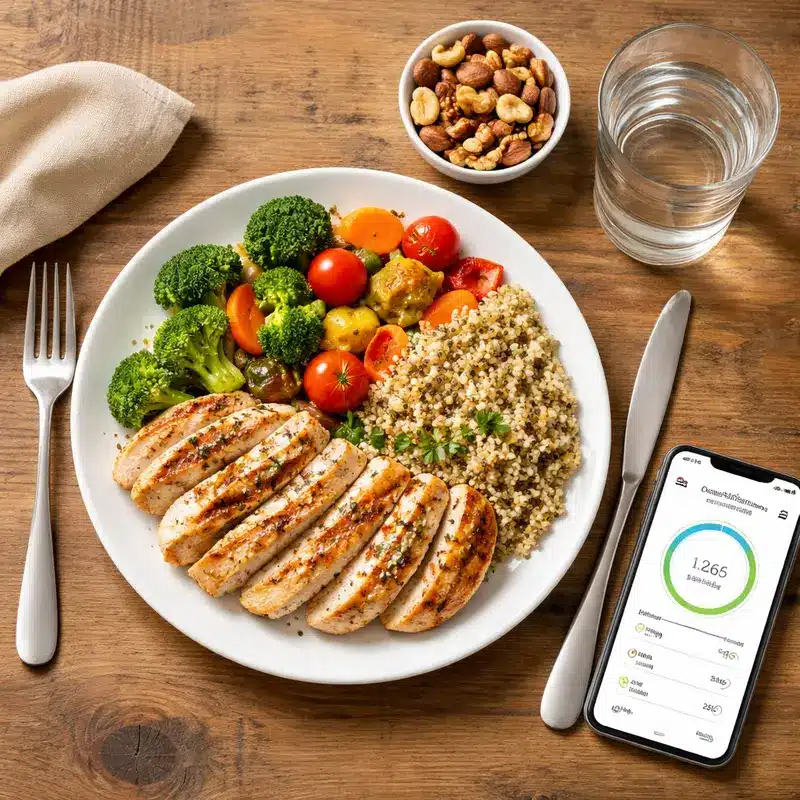
Balanced dietary patterns are the backbone of consistent energy, clearer thinking, and long-term health. Focus on whole foods—vegetables, fruits, whole grains, legumes, lean proteins and healthy fats—while reducing ultra-processed items, added sugars, sodium and saturated fats. Patterns like the Mediterranean approach or the USDA MyPlate offer simple frameworks to build meals that support mood, sleep, and metabolic resilience without rigid rules.
Start by designing each plate with intention. Aim for half vegetables and fruits, a quarter whole grains, and a quarter varied proteins. Rotate plant proteins with lean animal sources to broaden nutrients and reduce reliance on processed meats. Prefer olive and other unsaturated oils over saturated fats. Match portion sizes to activity and life stage rather than fixed meal sizes. Hydration matters: water supports digestion and appetite control, so sip steadily and prioritise water over sweetened drinks.
Micronutrients deserve attention. Calcium and vitamin D sustain bone strength; leafy greens and dairy or fortified alternatives help meet needs. Potassium-rich foods like bananas and beans aid heart and kidney function. A varied plate reduces micronutrient gaps and lowers inflammation over time. Practical swaps—whole fruit for juice, brown rice for white, beans for some meat portions—shift diet quality with minimal friction.
Label literacy makes daily choices simpler. Look for low sodium and minimal added sugars, then choose foods that fit your pattern rather than chasing labels or fads. Incremental change beats perfection. Add one vegetable serving per day, batch-cook whole grains, or include fish twice weekly. These small moves compound into better sleep, steadier energy, and lower chronic-risk markers.
For a practical lifestyle optimisation primer and broader routines that complement nutrition, see Everyday Essentials: Lifestyle Optimiser’s Guide. For authoritative guidance on heart‑healthy patterns, consult the American Heart Association recommendations: https://www.heart.org/en/healthy-living/healthy-eating/eat-smart/nutrition-basics/aha-diet-and-lifestyle-recommendations
Final thoughts
Optimising your lifestyle isn’t about chasing perfection; it’s about choosing a small set of essentials you can repeat on ordinary days.
A few minutes of mindfulness sharpen your decisions and break the stress-autopilot cycle. Built-in movement—stairs, walks, stretch breaks—quietly moves you toward the activity levels recommended for long-term health. Simple, balanced meals turn nutrition into a support system for your focus and mood instead of a constant battle.
The real power of a lifestyle optimiser’s approach is integration. Your mind, body, and fuel work together, and your habits should too. Start with one small essential in each area, make it easy enough that you can’t reasonably skip it, and let consistency compound. Over time, these everyday choices become the invisible engine behind a life that feels lighter, clearer, and more intentionally your own.