
Simple personal productivity systems that actually work are less about rigid rules and more about designing a low-friction way to move through your day with focus, energy, and calm. If you already optimise your sleep, nutrition, or training, this is the same idea applied to attention and time: small systems that quietly run in the background so you can spend more of your life on the work and experiences that genuinely matter. In this guide, we’ll start with the tech and cognitive science behind simple systems, zoom out to the economic and global picture, and then bring it all together with practical ways to implement and sustain your own approach.
Why Simple Productivity Systems Stick: Cognitive Shortcuts and Low‑Friction Tech

Simple productivity systems work because they address two limits: the mind’s capacity and the tools we choose. Cognitive science shows our working memory is small and easily distracted. Systems that reduce mental load — checklists, one-line task lists, and visual trackers — free attention for real work. That process, called cognitive offloading, means writing decisions down so the brain can stop rehearsing them. It’s why a short, actionable list beats an endless backlog.
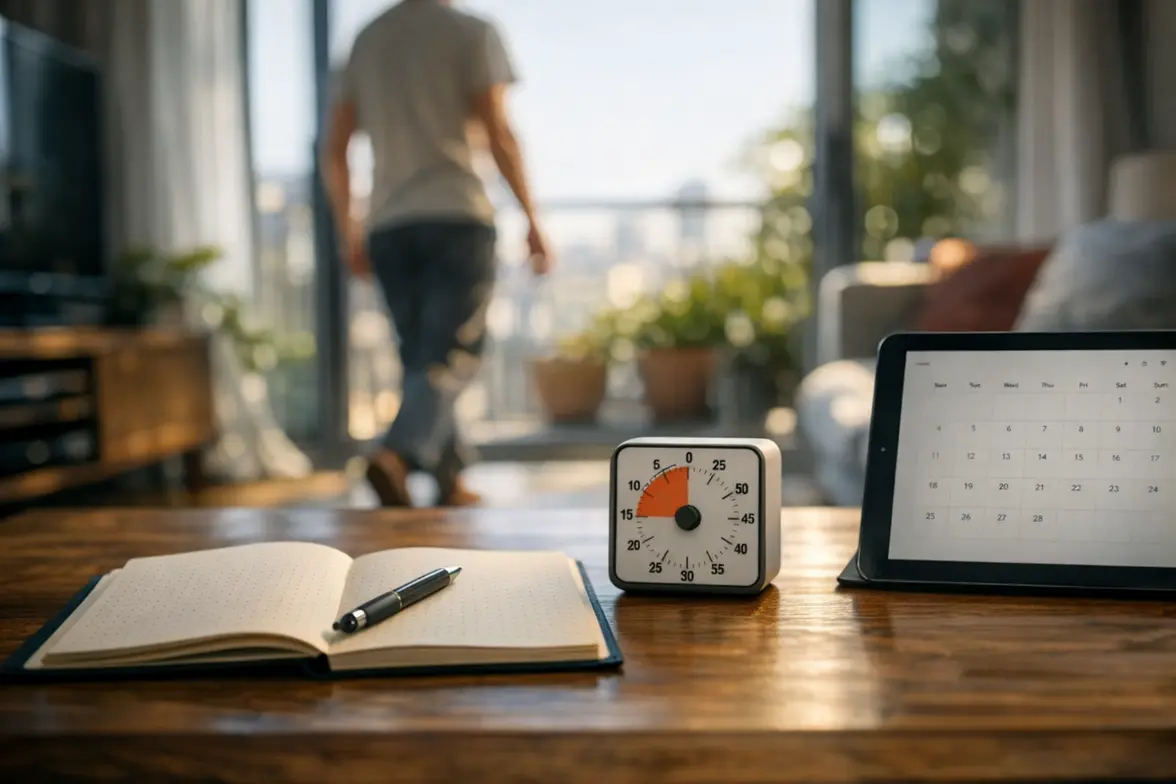
Technology plays a supporting role when it lowers friction. The most durable setups use tools that require almost no learning. A pen and notebook, a minimal smartphone app, or a calendar with basic timeboxing will outperform complex platforms if someone can adopt them quickly. Low-friction tools also make feedback immediate: habit trackers, progress bars, or a completed Pomodoro visibly reward effort. That instant feedback is crucial for habit formation and motivation.
Practical mechanics that translate theory into results include task batching, timeboxing, and habit stacking. Batching reduces context switching. Timeboxing constrains tasks and creates urgency without stress. Habit stacking ties new actions to existing routines, shrinking the activation energy for change. These techniques combine with daily reviews and short, prioritized to-do lists to produce measurable gains. Studies show checklists and focused sprints cut task switching and procrastination significantly.
Avoiding common pitfalls matters. Over-customization and feature bloat revive cognitive load and undermine consistency. Digital distractions can overwhelm otherwise simple setups. Mitigations are straightforward: schedule reflection periods, use environmental cues, and add social accountability for persistence. Cost is rarely a barrier; most effective systems require little to no investment and fit varied cultural contexts when adapted with sensitivity to local time norms and social habits.
The guiding rule is clear: favor solutions that minimize setup, align with existing routines, and deliver quick feedback. When cognitive principles meet low-friction technology, simple systems not only increase output. They make productive habits easier to keep. For practical ways to improve your daily flow, see the concise techniques in this guide: http://theessentialedit.co/improve-daily-flow-productivity
Accessible Productivity: How Economic, Social, and Global Forces Make Simple Systems Work

Simple personal productivity systems succeed when they sit at the intersection of human behavior and practical context. Low cost and low complexity make adoption possible for almost anyone. Minimal monetary investment removes a major barrier. A pen, a basic app, or a short checklist can deliver measurable gains without expensive software or training. Economically, that makes these systems highly cost-effective for individuals and organisations alike.
Beyond dollars, social conditions shape uptake. Systems that rely on habit science and cognitive offloading work best when they respect daily routines. Habit stacking, short daily reviews, and visible trackers reduce decision fatigue. Those features not only improve focus but also provide immediate feedback, a key motivator that sustains practice over months. Where accountability matters, small social structures — a colleague, a partner, or a community — dramatically improve persistence.
Globally, cultural norms and digital literacy change how people adapt simple systems. Timeboxing and task batching translate well across contexts, but implementation differs. In collectivist cultures, shared calendars and team rituals matter more than solitary to-do lists. In regions with limited internet access, analog methods thrive. The best systems are flexible enough to fit those differences while preserving core elements: short actionable lists, visual progress, and low setup friction.
Practical barriers remain. Over-customisation increases cognitive load. Digital distractions can erode gains if tools are poorly chosen. Regular reflection, environmental cues, and modest social accountability reduce those risks. Empirical studies reinforce this approach: small changes like checklists and Pomodoro-style intervals yield measurable improvements in task completion and reduced switching.
The net effect is clear. When productivity tools are affordable, culturally adaptable, and easy to learn, they democratise better work habits. For actionable guidance on integrating simple practices into daily routines, see resources that help you improve daily flow and maintain momentum.
How to Implement a Simple Productivity System That Actually Sticks

The difference between a promising technique and a permanent habit is implementation. Keep your system simple, visible, and feedback-rich. Aim for three design rules: minimal setup, effortless fit, and measurable payoff.
Start with one capture tool you will actually use. Empty your head into it several times daily. Convert captures into short, actionable tasks you can complete in one session. Use timeboxing to protect focused work and reduce task switching. Combine short sprints like the Pomodoro with batching similar tasks to reduce context shifts. Apply habit stacking: attach a new habit to an existing routine for faster adoption. Use cognitive offloading—move plans, deadlines, and reference notes into external tools to free mental bandwidth.
Daily routines matter more than perfect lists. Do a two-minute morning review: pick top three priorities and a time block for each. Keep daily task lists under ten items and make two of them non-negotiable. Track progress visually with a checklist or a simple progress bar. Weekly reviews catch drift: clear completed items, migrate lingering tasks, and celebrate measurable wins.
Keep the system lean. Avoid over-customization and multiple frameworks competing for attention. Choose either digital or analog tools based on friction, not features. Low-friction tools increase habit formation and long-term adherence. Add social accountability selectively—share goals with one peer or a small group to boost follow-through.
Sustainability depends on feedback and reflection. Use immediate cues, like timers and visible checklists, to reinforce behavior. If motivation drops, shorten sessions, simplify goals, and restore visible wins quickly. For practical daily routines and structure, consult the guide with practical tips to improve your daily flow and boost productivity. For one simple focus method, see the Pomodoro Technique.
These systems cost almost nothing and suit different cultures. Small tweaks adapt to time attitudes and team norms. Track a metric weekly: completed priorities or focused hours. Immediate, visible gains keep motivation high. Start small, iterate, and keep the system within your daily flow. Consistency matters more than perfection.
Final thoughts
Simple personal productivity systems that actually work share the same DNA: low cognitive load, minimal setup, and fast feedback that helps you adjust in real time. For lifestyle optimisers, the real win isn’t squeezing more tasks into the day, but creating a lightweight structure that protects focus, reduces decision fatigue, and keeps your best habits on autopilot. Start with one or two tools—a short daily list, a basic timebox, a tiny review ritual—and let the system grow only as far as it needs to support the life you actually want to live.